Your Consent & Awareness

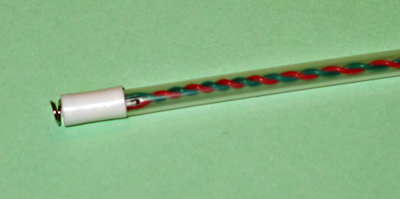
Many times doctors and nurses will inform you what procedure they will be performing on you and your child. What is supposed to happen is a conversation explaining the procedure followed by them asking for your consent. Many times medical professionals are very unprofessional; you will be told you need to undergo something, yet not told the risks or if its truly necessary. For example Foetal Scalp Electrode monitors; these monitors are often installed without consent or explanation. If you do not know what this is, its the “wire” they place in your vagina and attach to your unborn child’s head (and sometimes accidentally on the forehead or neck). Most do not know until after the fact that this device is screwed into the child’s head, yes; meaning a cut is created in order to monitor the heart rate rather than using an external belt monitor.
Image

To prevent unnecessary acts like this follow the advice of legendary Penny Simkin

Key Questions to Ask About Your Care

When a test is suggested:

  1. What is the reason for it? What problem are we looking for?
  2. What will it tell us? How accurate or reliable are the results?
  3. If the test detects a problem, what will happen next?
  4. If the test does not detect a problem, what will happen next?

When a treatment or interventional is suggested:

  1. What is the problem? Why is it a problem? How serious is it? How urgent is it that we begin treatment?
  2. Describe the treatment: How is it done? How likely is it to detect or solve the problem?
  3. If it does not succeed, what are the next steps?
  4. Are there risks or side effects to the treatment?
  5. Are there any alternatives (including waiting or doing nothing)?
  6. Ask questions 2, 3, and 4 about any alternatives.

*Photo from http://www.mybirth.com.au/intervention/fetal-monitoring.html
Cesarean Section Awareness Month

csec aware

The month of April is C-Section awareness month and I have been researching my head off about C-Sections. I will not provide statistics today being that I will lose self-control and post 2 million links, diagrams, and photos. Instead I will discuss the way they affect the women who undergo them, primary reason being, that’s what has touched me the most.

I have spoken to women who have received C-Sections and their stories just pull at the strings of my heart. None of these women wanted to be named, however, have given me permission to share their stories. After discussing/interviewing these women about their C-Sections I came to the consensus that their stories needed to be told. What I mean by this, is that the scars left were not physical but emotional and that they need to be addressed and tended to. Many women do not want/plan to have a C-Section, when they are told they going to have one it is usually after being told that they have failed at something or that either they or their unborn child’s life is at stake. So many of these woman were not told about “Gentle C-Sections”, having free arms and the ability to hold the baby after delivery. They are not told that is normal for heart rates to drop. They are not given the opportunity to progress at a natural rate. They are told that if they do not go through with the procedure, they will deliver a stillborn baby. So many of these woman are truly traumatized by their experiences. Many cannot watch clips, shows, videos, etc about Cesarean, it triggers their unresolved issues with their Cesarean.

Luckily VBAC (Vaginal Birth After Cesarean) awareness has been on the rise. Families are becoming informed that it’s quite safe to strive for a VBAC, they are discovering that they have rights in delivery rooms, and they are seeking out doctors who are willing to help them achieve a successful VBAC! The aspect of families yearning for a VBAC that I am not happy about, is the opposition. I have heard of doctors telling patients that if they attempt a VBAC “We will wheel you out of a room with pale gray lips and a dead baby resting on your chest.” Scare tactic statements are NOT OKAY, they are unethical and cruel. You have a right to attempt to achieve a VBAC. It hurts me to say this but sometimes you will have to fight tooth and nail to achieve your VBAC, you need to have a strong support group! Be prepared for nurses and doctors pressuring and scaring you out of your decision. Whatever they tell you, QUESTION THEM, I cannot stress it enough; find out why they want to do something and find out what they believe the statistics are. A birthday party, dinner, concert, vacation, or any engagement is NOT an excuse/cause for a C-Section! Stay strong, be positive, get educated, find support, attempt a VBAC.

Lotus Births and Delayed Cutting of the Cord

Lotus Births and Delayed Cutting of the Cord

A lotus birth is the constant attachment of both the umbilical and placenta until it naturally dries and detaches. As of late, this practice has come into the light of the media and is up for question. Is cutting the cord traumatic for newborns?

I personally do not find it to be a mandatory practice; I do however, firmly believe in the delay of cutting the cord.My primary reason being that infants who are detached from their umbilical cord immediately are losing 1/3 of their blood. The remaining blood is within the placenta and cord. My second, but no less important, reason is that it delays the separation between parent and newborn. Therefore, enabling time for precious and important skin to skin contact. My concern with lotus births, are hygiene and safety. Both seem like they are managable, however, things happen. I have this fear of the placenta and baby somehow heading in different directions ending in a painful separation. In regards to hygiene, this is a case by case concern. What some consider clean is not the same or someone else; and I would hate for an innocent newborn to have to suffer due to a lack of judgement. The umbilical cord and placenta are organs, they decay, have odors, and more importantly, are high maintenance they are not something to take lightly.

What are your thoughts on Lotus births?